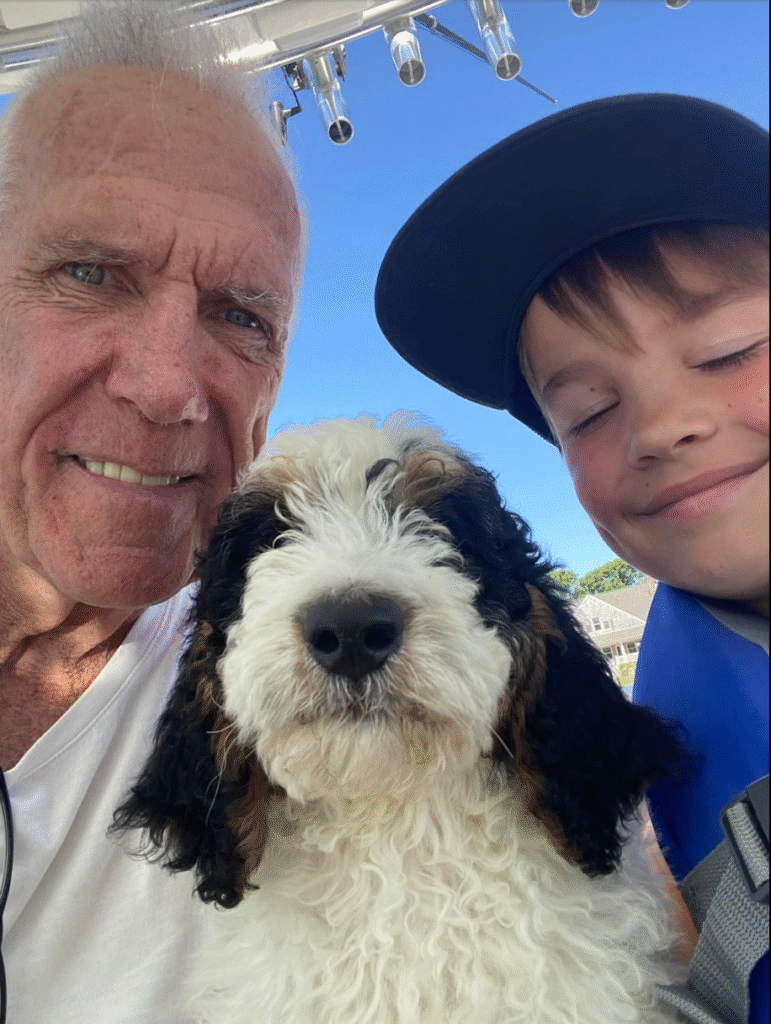
Find your best friend!
Your new puppy is waiting for you. Let us help you find the perfect match and bring home a lifetime of love.
See puppiesAvailable for adoption
7 Available breeds
Our puppies are waiting for loving homes. Choose your perfect companion and experience unconditional love.




Our Happy Customers

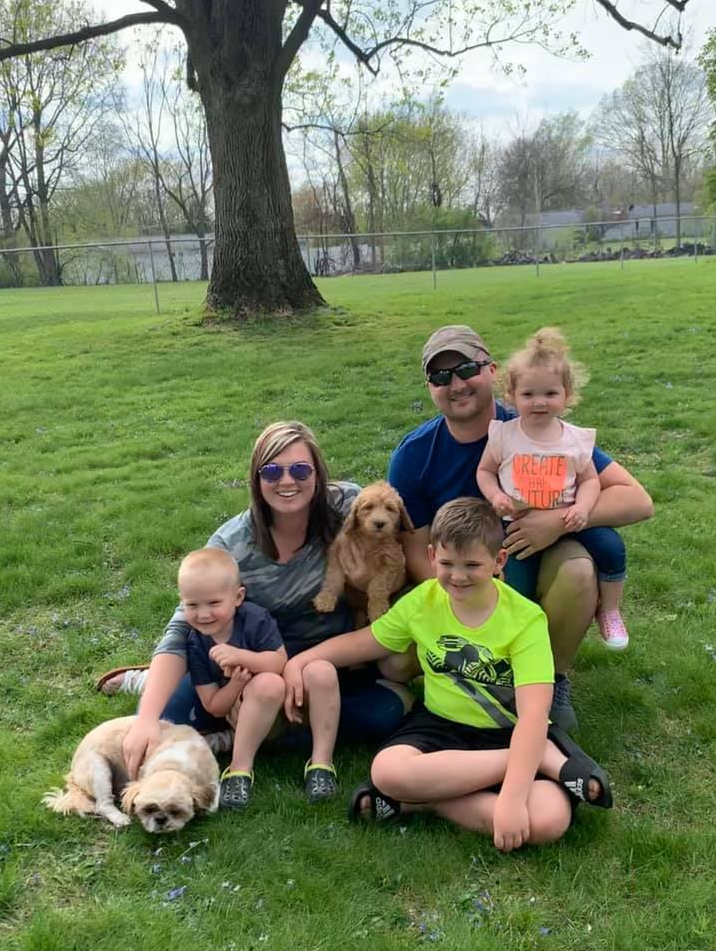
The Anthony Family
We welcomed our new Goldendoodle, Ruby, to the family today! We’re over the moon with her and she’s absolutely adorable! Already a great fit for our crazy, playful children!
Thank you!
The Hargrove Family
We have had our goldendoodle for almost two months and absolutely adore him. His parents were Eddie and Song. He’s the sweetest and smartest dog I’ve ever been around, and out children love him. We drove over two hours to Four Corner Puppies, and it definitely worth the trip. The facilities were spotless and the owner was very polite and cared greatly about the well-being of the puppies on site. Thank you!
The Westergerdes Family
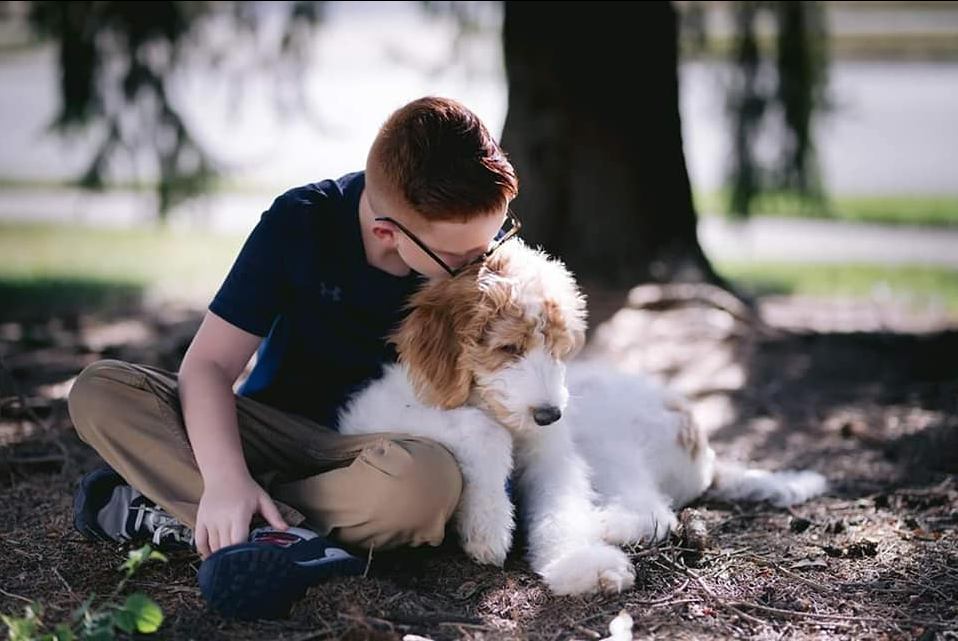
Emmie has been the perfect addition to our family, and she is so loved already! We had a wonderful experience working with James. He was very responsive, professional, and informative. He let us meet her and her siblings before committing and then let us come see her again when we missed her! She is such a wonderful puppy, and it is evident that she was well-cared for at Four Corner Puppies. You could tell she loved James by their interactions together. I’ve already recommended this place to friends and family and will continue to do so.
The Gleason Family
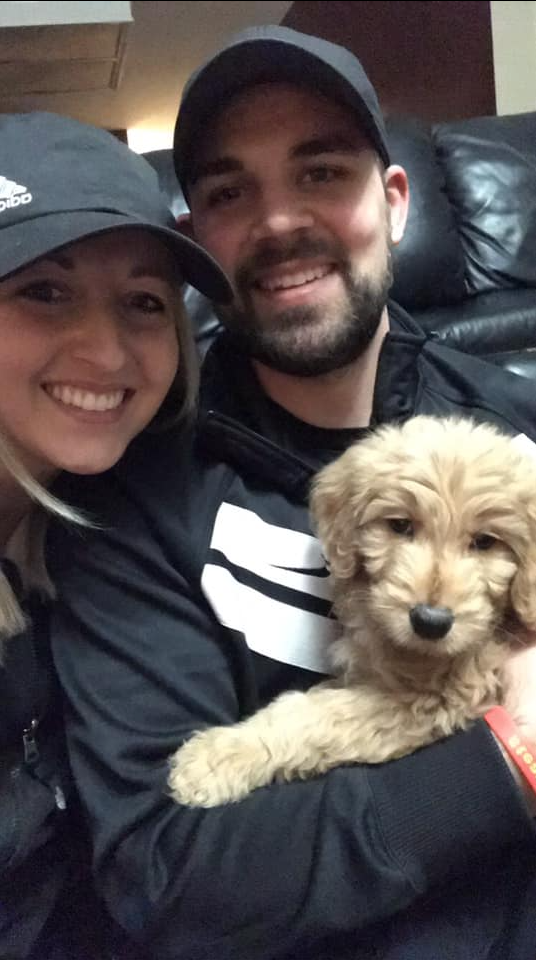
I highly recommend Four Corner Puppies. James and his family operate a safe, clean, and family oriented environment for their pups. They responded quickly to all of my questions and were very accommodating.
We love our sweet Shih-tzu, Sophie. She is pure joy!
The Collier Family
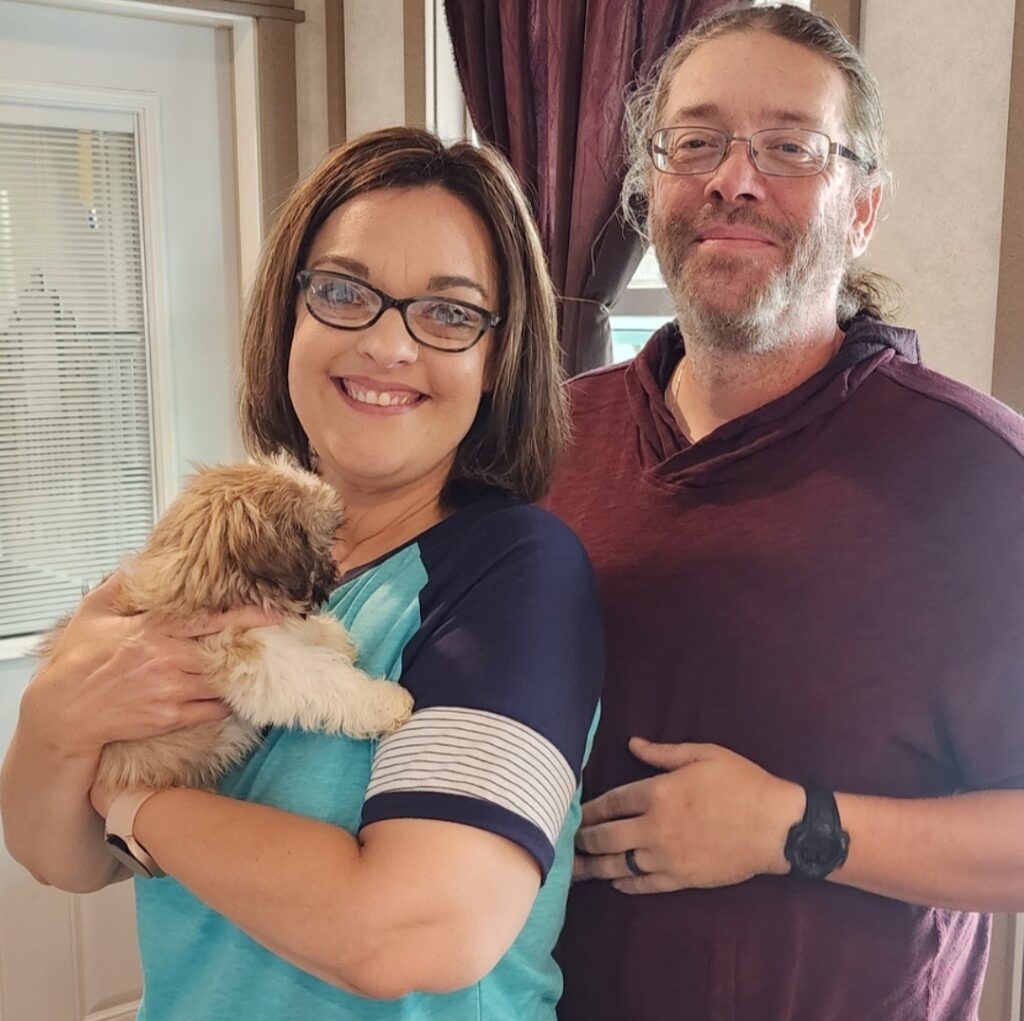
We couldn’t be happier with our mini F1B Goldendoodle from Pupworld! She’s smart, sweet, and has the perfect mix of playful energy and cuddly affection. The whole process was smooth, and we felt supported every step of the way.
The Piotrowicz family
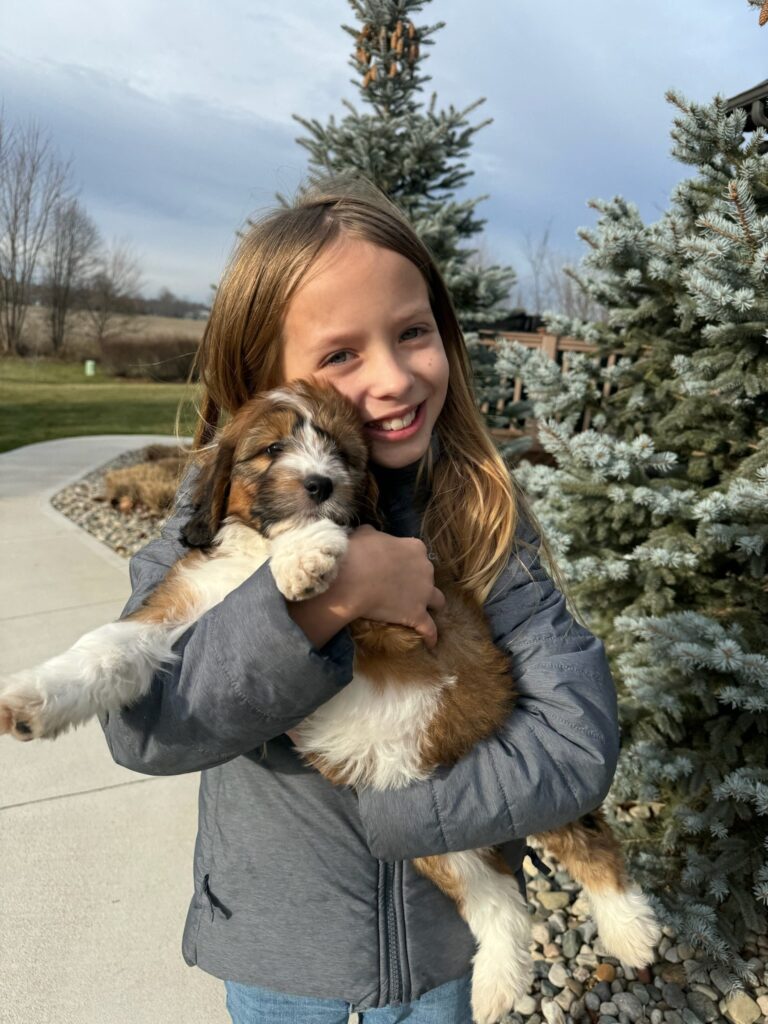
We just received our new puppy, Autumn and we could not be happier. She is healthy, full of life and so smart. Just after she arrived, we started getting her used to her new surroundings and in a very short time, Autumn was running around and feeling so comfortable. She is a big hit with the family already and we look forward to many, many years of happiness with our newest member.